
The psychological effects of gambling understanding the mind behind the risk
The Allure of Gambling: A Psychological Perspective
Gambling has captivated the human mind for centuries, intertwining the thrill of risk with the hope of reward. This allure is deeply rooted in psychological mechanisms, such as the anticipation of winning and the excitement of uncertainty. The brain releases dopamine, a neurotransmitter associated with pleasure, which reinforces the behavior of gambling. Each time a player experiences a win, no matter how small, it further solidifies the habit, creating a cycle that can be difficult to break. For a deeper understanding of modern practices, you might explore https://heyspincasinoreview.com/, which covers various gaming experiences.
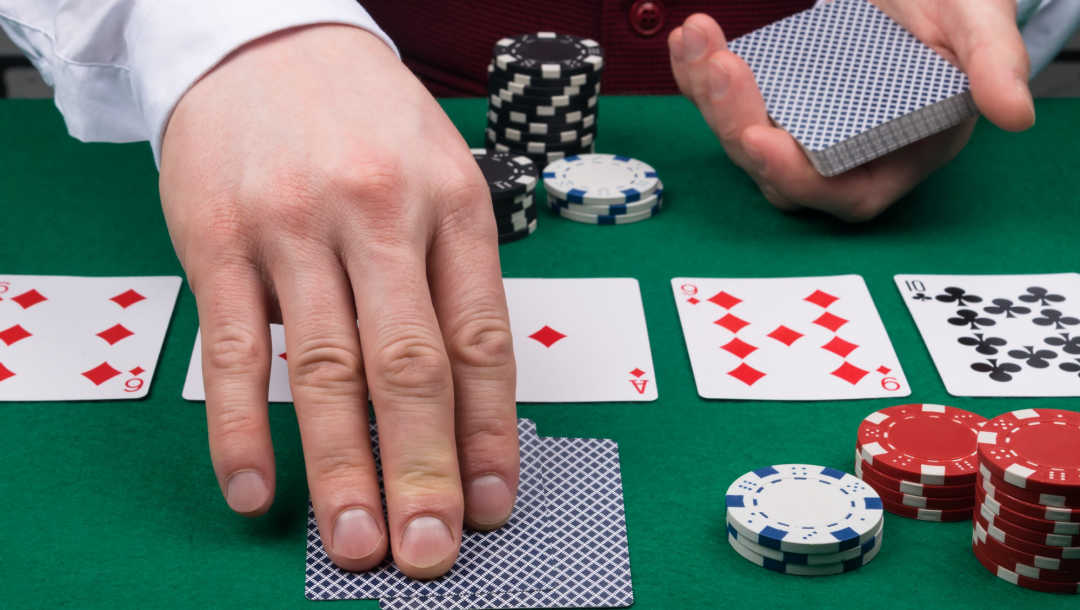
Moreover, the social aspect of gambling contributes to its appeal. Many individuals engage in gambling not just for the monetary rewards but for the shared experiences with friends or family. This social interaction can amplify the excitement and also create a sense of belonging. This collective excitement may trigger deeper emotional responses, reinforcing the desire to gamble despite potential negative consequences.
The risk-reward balance is another factor that plays into the psychological effects of gambling. The unpredictability of outcomes can be enticing, drawing individuals into a state of risk-seeking behavior. For many, this gamble becomes an avenue for escapism, allowing them to momentarily forget stressors in their lives. Understanding these psychological elements provides insight into why gambling can be so compelling, even when the odds are stacked against the player.
The Role of Cognitive Biases in Gambling
Cognitive biases significantly influence gambling behavior, often leading players to misinterpret the probabilities of winning. One common bias is the illusion of control, where individuals believe they have more influence over the outcome than they actually do. This can manifest in poker games or even in slot machines, where players might feel their decisions impact the results. Such beliefs can reinforce continued gambling, as individuals become convinced that their strategies will yield a win.
Another prevalent cognitive bias is the gambler’s fallacy, where players think that previous outcomes affect future ones. For instance, if a roulette wheel has landed on red multiple times, a player may mistakenly believe that black is “due” to appear. This flawed reasoning can lead to increased betting and, subsequently, greater losses. The ability to recognize these biases is essential for understanding the psychology behind gambling and developing healthier attitudes toward risk.
These biases not only affect decision-making but also contribute to emotional turmoil when losses occur. Many gamblers may rationalize their losses as a temporary setback, encouraging further gambling in an effort to “win back” their losses. This rationalization can exacerbate a cycle of chasing losses, ultimately leading to detrimental consequences. Awareness of these cognitive distortions is vital in addressing gambling behavior and promoting more responsible gaming practices.
The Impact of Emotional States on Gambling Behavior
Emotions play a crucial role in influencing gambling behavior. Individuals often gamble to escape negative feelings such as stress, anxiety, or depression. This emotional gambling can provide a temporary sense of relief, but it is a double-edged sword, as continued gambling can exacerbate these negative emotions. The thrill of winning can provide a temporary high, but losses may lead to feelings of shame, guilt, or hopelessness.
The emotional rollercoaster associated with gambling can be addictive. When players experience a win, their brain releases chemicals that create feelings of euphoria. However, this euphoria is often fleeting, leading to further gambling in search of that same high. Conversely, losses can evoke feelings of despair, prompting individuals to gamble more in hopes of regaining their financial footing. This cycle of highs and lows can lead to emotional instability and dependency on gambling as a coping mechanism.
Moreover, situational factors such as environment and peer influence can heighten these emotional responses. A vibrant casino atmosphere, filled with sounds and lights, can amplify excitement and lead to impulsive decisions. Similarly, peer pressure or social cues can push individuals to gamble more than they initially intended, affecting their emotional state and decision-making. Recognizing the interplay between emotions and gambling can inform healthier coping strategies and support systems.
Understanding Compulsive Gambling and Its Consequences
Compulsive gambling, or gambling disorder, is a significant psychological condition that affects millions of people worldwide. This behavior is characterized by an uncontrollable urge to gamble, despite the adverse consequences that may arise. Individuals may find themselves betting beyond their means, leading to financial hardship, relationship issues, and emotional distress. Understanding the underlying psychological factors is crucial for addressing this serious condition.
The progression of compulsive gambling often follows a predictable pattern: initially, it begins as a recreational activity that becomes increasingly consuming. Over time, the individual may escalate their gambling behavior, frequently borrowing money or lying to conceal their activities. This progression can lead to feelings of isolation, as relationships deteriorate and personal responsibilities are neglected. The emotional and financial toll of compulsive gambling can be devastating, affecting not only the individual but also their loved ones.
Interventions for compulsive gambling often include therapy and support groups. Cognitive-behavioral therapy (CBT) has shown effectiveness in addressing the cognitive distortions and emotional triggers associated with gambling. Support groups provide a community where individuals can share their experiences and strategies for recovery. Raising awareness about the psychological effects of gambling is essential for fostering understanding, compassion, and support for those affected by this disorder.

Exploring Responsible Gaming Practices
Responsible gaming practices are essential in mitigating the psychological effects of gambling. Many casinos and online gaming platforms advocate for these practices, promoting self-regulation and informed decision-making. Tools such as setting deposit limits, time limits, and self-exclusion options empower players to take control of their gambling habits. By prioritizing responsible gaming, individuals can engage in gambling as a form of entertainment without falling into harmful patterns.
Education also plays a vital role in fostering responsible gaming. Providing information about the odds of various games, understanding cognitive biases, and recognizing the signs of problem gambling can equip players with the knowledge to make informed choices. Encouraging open discussions about gambling, both in personal relationships and broader societal contexts, can further reduce stigma and promote healthier attitudes.
In summary, the psychological effects of gambling can be profound, influencing individuals on emotional, cognitive, and social levels. By understanding the mind behind the risk, players can approach gambling with a more informed perspective, embracing responsible practices that enhance their gaming experience without compromising their well-being. It is crucial to create an environment where individuals feel supported and equipped to engage in gambling responsibly.